Disclaimer: As an Amazon Associate, I earn from qualifying purchases. Links on this page may pay us a commission at no extra cost to you.
Pros and Cons of the Weber Digital Meat Thermometer: A Comprehensive Review
BUY NOW
The Advantages of the Weber Digital Meat Thermometer
The Weber Digital Meat Thermometer is a valuable tool that introduces several key advantages for both novice and experienced grill cooks alike. One of the primary benefits is its ability to eliminate the danger zone during cooking. By providing rapid and accurate temperature readings directly from the thickest part of the meat, this instant-read thermometer significantly reduces the risk of foodborne bacteria such as salmonella and E. coli. This feature is essential for anyone who wishes to prepare safe, delicious meals without compromising on quality.
In addition to ensuring safety, the Weber Digital Meat Thermometer aids in preserving the juices in meats. Traditional methods often require cutting into the meat to check for doneness, which can lead to the loss of moisture and flavor. However, this advanced grilling and cooking accessory accurately gauges internal temperatures without compromising the integrity of the meat. This not only helps maintain the savory flavors but also improves the overall texture of the finished dish.
In addition to providing precise temperature measurements, users can confidently serve their meals, ensuring that their loved ones enjoy safe and flavorful dishes. The Weber Digital Meat Thermometer is truly an indispensable tool for anyone passionate about grilling and cooking, making it easier than ever to achieve perfectly cooked meat every time.
The Drawbacks of the Weber Digital Meat Thermometer
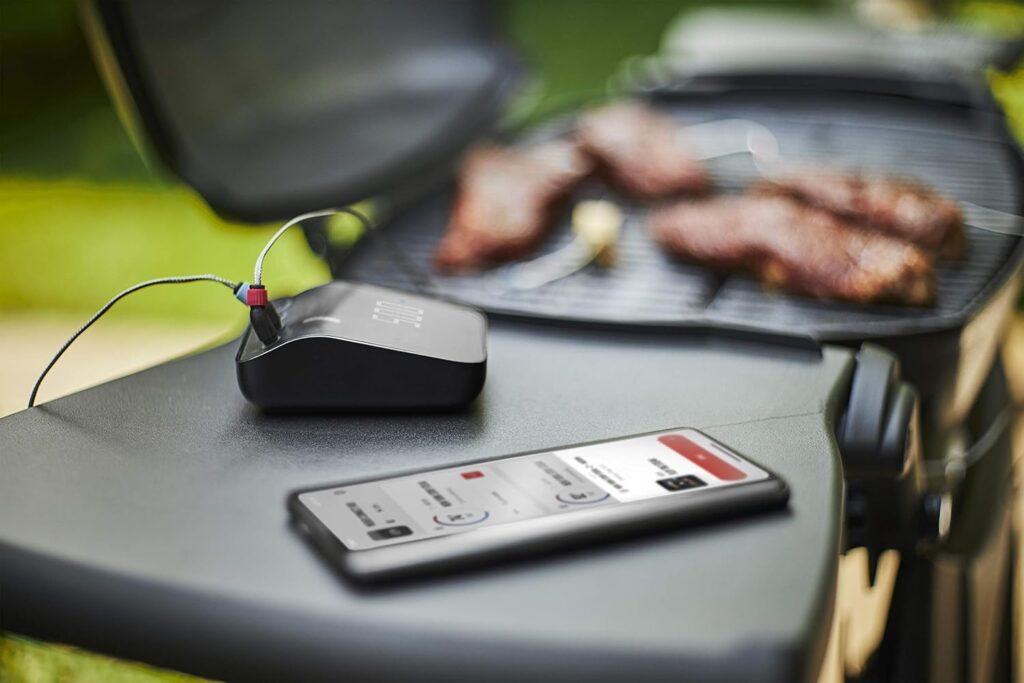
While the Weber Digital Meat Thermometer is a valuable addition to many kitchens and grilling setups, it is essential to consider some of its limitations. One notable drawback is its basic model, which primarily allows for spot-checking of food temperatures. This feature necessitates constant supervision while grilling, making it less convenient compared to other options. Users may find themselves repeatedly checking the temperature of their meat to ensure optimal doneness, which can disrupt the cooking process.
Another issue to be mindful of is the thermometer’s waterproof capabilities. Although it has a grease-resistant design, it is not fully waterproof; hence, it cannot be safely submerged in water or exposed to heavy rain. Users should exercise caution to prevent damage during outdoor grilling sessions, particularly in wet weather. This limitation detracts from its overall usability in various outdoor conditions.
Additionally, some versions of the Weber Digital Meat Thermometer are reported to experience a reading delay, which may be a point of frustration for those who rely on precise temperature monitoring during cooking. This delay can hinder the immediate need for accurate temperature readings, especially in grilling scenarios, where timing is critical. For users who prioritize quick and instant-read capabilities, the premium variant of this cooking accessory might be a more suitable choice, as it is designed to provide faster readings.
Ultimately, while the Weber Digital Meat Thermometer has numerous advantages, potential buyers should carefully weigh these drawbacks against their specific needs and cooking styles. Understanding these limitations can help in making an informed decision about incorporating this must-have barbeque item into their culinary toolkit.
Best Practices for Using the Weber Digital Meat Thermometer Safely
Ensuring the safe and effective use of the Weber Digital Meat Thermometer is vital for both home cooks and grilling enthusiasts. This essential cooking accessory, designed to provide accurate temperature readings, can significantly improve your meat dishes. However, to maximize its potential, users should adhere to certain best practices to avoid common pitfalls.
One critical safety tip is to avoid leaving the thermometer’s plastic screen inside a closed grill. Prolonged exposure to high heat can damage the internal components of the device, rendering it ineffective for future use. Always ensure that the thermometer is removed from the grill when not in actual use, allowing it to maintain its functionality over time.
Another essential practice involves correctly positioning the temperature probe. For accurate readings, it is crucial to insert the probe into the center of the meat, avoiding contact with bones or dense fat pockets. Bone conducts heat differently than the meat itself, which can lead to misleading temperature readings. This practice guarantees that you are measuring the internal temperature accurately, which is particularly critical in preventing foodborne bacteria from compromising food safety.
Cleaning is equally important in ensuring the integrity of your Weber Digital Meat Thermometer. To prevent cross-contamination, always clean the probe thoroughly between uses. This step not only enhances food safety but also maintains the thermometer’s performance and longevity. Using soap and water or a disinfectant suitable for food-grade items can help in this regard.
By following these safety tips, users can effectively harness the capabilities of their digital meat thermometer, ensuring perfectly cooked meat while minimizing risks associated with grilling and cooking.
Conclusion: Is the Weber Digital Meat Thermometer Worth It?
In assessing the Weber Digital Meat Thermometer, it is important to weigh both the benefits and drawbacks presented throughout this review. This grilling and cooking accessory has established itself as a reliable tool for achieving accurate temperature readings, essential for ensuring grilled meats are prepared safely, effectively reducing the risk of foodborne bacteria.
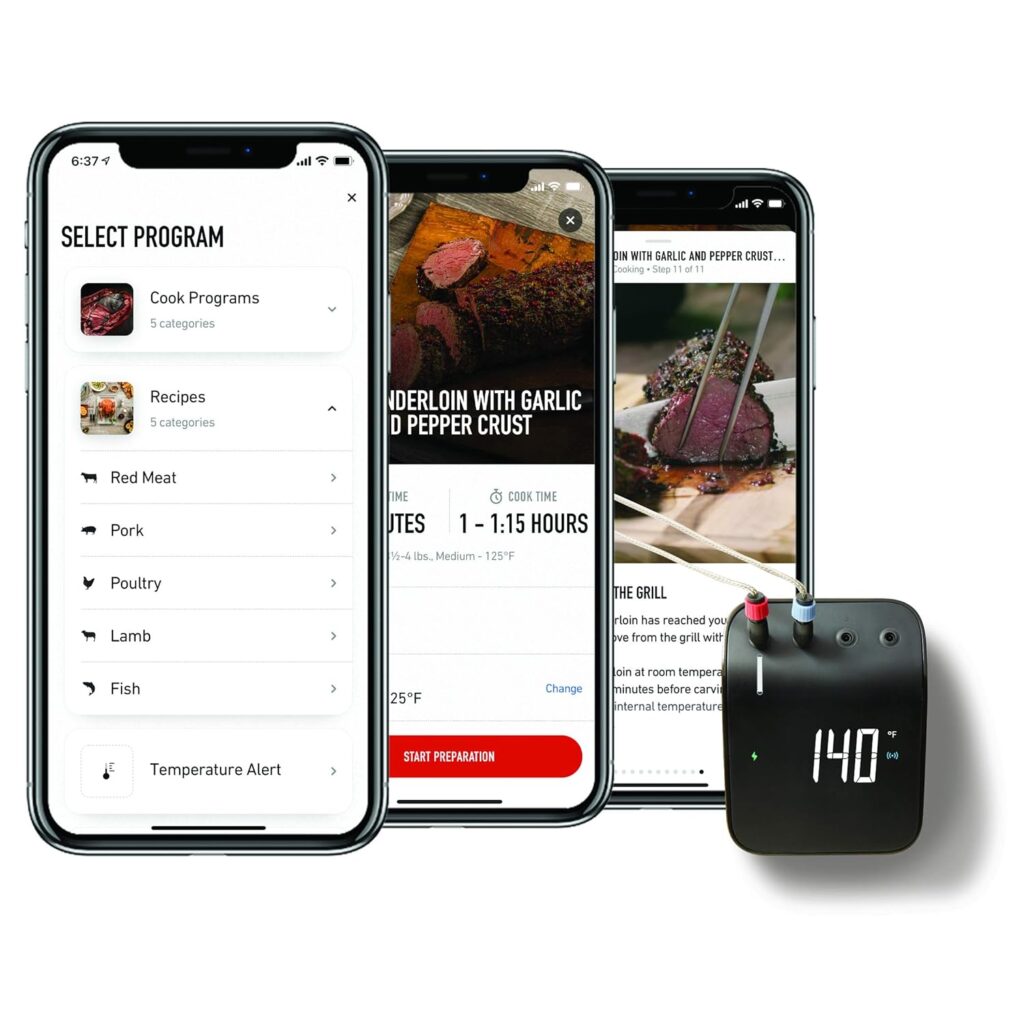
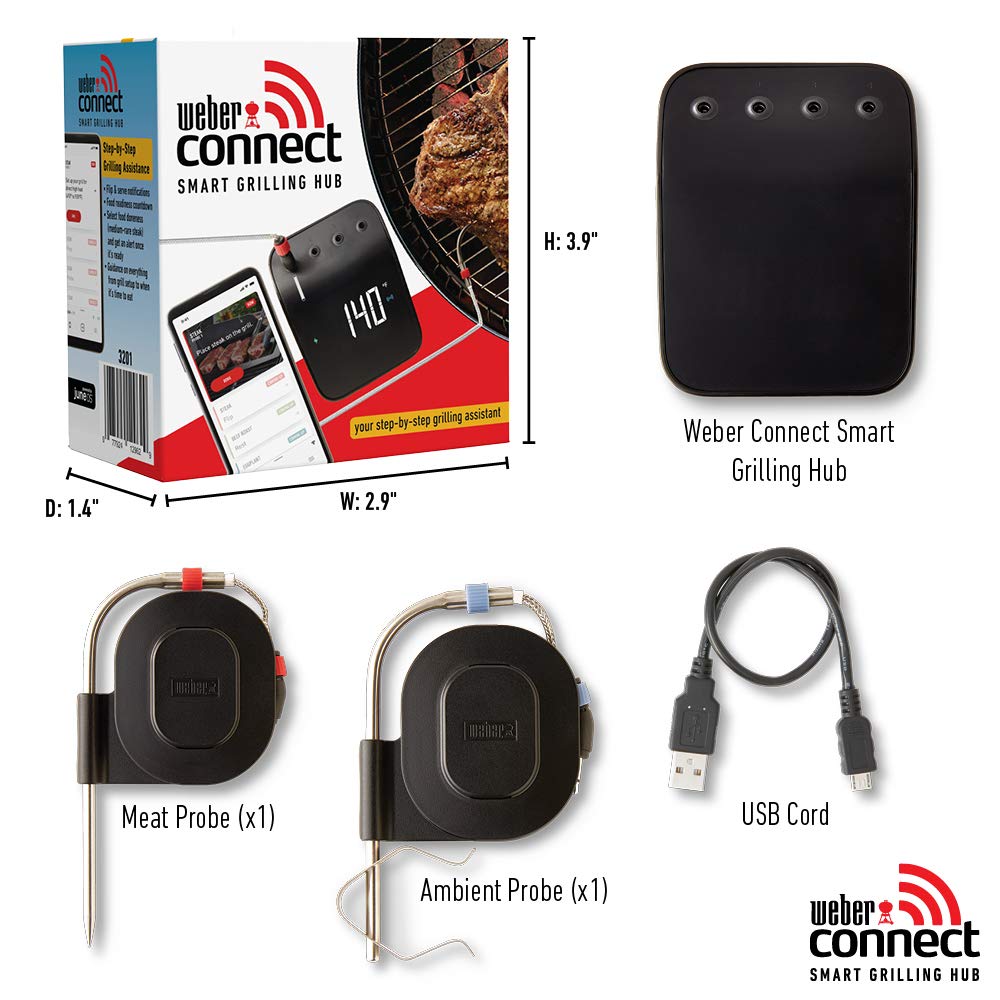
The advantages of the Weber Digital Meat Thermometer include its high level of accuracy, user-friendly interface, and quick temperature readings, thanks to its instant-read capabilities. A standout feature is its wireless thermometer functionality, which allows it to connect to your phone, providing real-time updates from a distance. This innovative feature enhances convenience, especially for individuals who enjoy the “grill and chill” experience, wanting to savor moments without constantly monitoring their meat. Moreover, the internal temperature alerts and preset temperatures for various types of meat make it a must-have barbeque item for both novice cooks and seasoned grill masters alike.
However, some drawbacks have been noted. For instance, while the digital meat thermometer is indeed robust, concerns have been raised regarding its battery life and reliability under certain weather conditions. Additionally, the learning curve associated with utilizing its full range of features might deter some less tech-savvy individuals. Ultimately, whether the advantages outweigh the disadvantages largely depends on one’s individual grilling habits, safety priorities, and how often they engage in outdoor cooking.
To ensure an informed decision, potential users should consider their cooking needs and preferences. If regular grilling is part of your lifestyle and you prioritize food safety and convenience, the Weber Digital Meat Thermometer offers solid value. However, for infrequent cooks, evaluating alternative options and relevance to your grilling habits may be prudent. In conclusion, the Weber Digital Meat Thermometer can serve as an invaluable tool for many, provided its specifications align with user requirements.